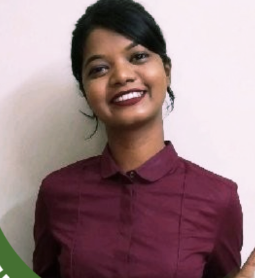
Jannet Akanksha Ekka
Open to applied AI & AI evaluation roles · remote

I architect agentic AI
and keep it running.honest.measured.running.

I ship production AI systems by directing AI coding agents, and I am the only review before anything merges. Four years leading QA automation at Deloitte taught me how to tell when the output is wrong, which is the part most AI teams are still learning. I run a patent-pending AI trading agent, live 24/7 on a free-tier cloud stack. Rank 1 in the Post Graduate Program in AI/ML at UT Austin McCombs.

Résumé for forward deployed, applied AI/ML and data roles: download the PDF

⚙️ Patent pending 🤖 AI-native delivery 🛡️ Agent security · Wiretrap 🏆 OpenServ Best DeFi — Winner 🥇 Rank 1 — PGP AI/ML ☁️ Google Cloud Gen AI Academy
39
Projects shipped
88K
Lines shipped & audited
4
Years enterprise eng.
1
Patent filed
Selected work

Systems, not notebooks.

Everything below either runs somewhere or ships with the tests that prove it works. Filter by discipline.

Flagship Patent pending · IN 202631090789 Seeking grants & partners

Smart Money Trading (SMT)

Explainable AI Trading Agent

Jan 2025 – Present · Founder & sole engineer · JTech Solutions (pre-incorporation) · shortlisted, Google AI Startup Buildathon India 2026

An AI trading agent for 8 crypto perpetual-futures pairs that has to prove why it traded. Written rules with replayed records open every trade. Six AI advisors explain each decision and are graded on whether they were right; one earns a veto only after 30 proven warnings. Before a reason reaches a user, the system flips that advisor’s input and re-runs the decision, and drops the reason if nothing changes. The learning loop retunes only through a CPCV + Deflated-Sharpe + PBO + FDR overfitting gate. It places real orders 24/7 on WEEX’s exchange-granted simulated account from a free-tier Oracle Cloud VM, and SMT World, a Three.js/WebGL ocean on Cloudflare Workers, lets anyone watch it trade and ask it why. It is not profitable yet, and its own receipts on Monad show that.

88Klines of Python
3,152tests
673findings recorded
362PRs merged
Multi-Agent SystemsExplainable AIAI EvaluationAI-Native DevelopmentOracle Cloud + systemdCloudflare WorkersGemini (AI Studio)OptunaNVIDIA cuDF / RAPIDSBigQueryThree.js / WebGL

Core repo private — the linked repo is the public explanatory layer.
Chithi

Official Indian Letters Explained, Every Number Checked

2026 · Meta Global AI Developer Hackathon (Cerebral Valley), Indie track · submitted Nov 3

Electricity bills, bank reminders and tax demands in India come in formal English or official Hindi, and many people who get them can’t read that. Chithi takes a photo of the letter and answers in Bengali, Hindi or English: how much to pay, the last date and the days left, and what happens if you don’t. It can read the answer aloud, set a reminder or share it on WhatsApp, and takes follow-up questions by voice.

SAM 3.1 finds the page and its tables and boxes, Muse Spark reads the photo twice (the whole page, then zoomed-in strips) and explains it, and Muse Voice Transcribe hears spoken Bengali and Hindi. Every point quotes the letter, and a check with no model in it requires each date and amount to be in the quoted words and in the second reading. Tap a point and you see the piece of your own photo where the letter says it. Anything that fails is shown apart, never as fact.

On 28 live explanations of synthetic letters, 16 of them from folded, shadowed photos, 114 dates and amounts were shown and none were wrong. A stand-in explainer that gets a quarter of its values wrong had all 53 planted errors held back. The letters are synthetic, so real-world accuracy isn’t measured yet.

0 of 114dates and amounts shown wrong
53 / 53planted errors held back
3languages, spoken and written
~20 sper letter
SAM 3.1Muse SparkMuse Voice TranscribeVerifiable agentsBengali + HindiFastAPIRender

Aftershock

Did the News Move the Chain? An Event Study on NEAR

2026 · NEAR Hackathon, Investment Thesis track · submitted Nov 15

For someone deciding whether to hold NEAR for years, headlines are the usual evidence. Aftershock tests them. It finds every spike of news about NEAR (GDELT), checks whether the chain’s own daily records (NearBlocks, DefiLlama) moved afterwards, and compares that with ordinary days. Of 74 news events, 8 moved the price (10.8%, against 5.1% of ordinary days) and 10 moved usage (13.5%, against 16.5% of ordinary days). So usage did not follow the headlines, and the thesis is written from that.

Two models from different families write and examine every claim, and code recomputes each number: 14 of 20 claims were kept. Asked for a thesis with no data, the same models got 1 of 20 numbers right. The whole run rebuilds byte for byte from a clean clone with no keys and no network, and four dated forecasts sit in a NEAR testnet contract to be settled later. Limits are stated on the page: 49 of the 74 spikes were market-wide price coverage, not NEAR news.

74news events tested
13.5% vs 16.5%usage moved: events vs ordinary days
14 of 20claims kept after the check
26unit tests
Event StudyTime SeriesPythonNVIDIA NemotronNEAR testnet (Rust)GDELTDefiLlamaGitHub Pages

Lights Out

A Hermes Agent Plugin: Ask Before Spending, Receipt After

2026 · Nous Research Hermes Agent Plugin Hackathon · submitted Nov 12 · in the official Hermes plugin catalog

An agent that can run the AWS CLI can leave servers running and billing after it says “Done”. Lights Out sends every billable create to Hermes’s own approval prompt with its price, records the delete command for each resource, and prints a receipt of what is still running and its monthly cost. One command turns everything off, except what was kept on purpose until a date. Measured on 10 tasks × 3 arms against a local AWS emulator: without the plugin the agent ran 13 and 14 billable creates no person approved; with it, 0. A clean-up prompt alone also cleaned up well, and the README says so. Nous Research merged it into the official Hermes plugin catalog.

0 vs 13–14creates no person approved: with vs without
140unit tests
8 / 8integration checks
Hermes AgentPluginsAgent SafetyAWS CLImotoPythonNVIDIA Nemotron

Same Model, Same Bugs, Two Formats

A Paper on Gemma 4 Coding Agents

2026 · Kaggle Gemma 4 Developer Agent, Paper Track · submitted Nov 13

Does a small local model fix more bugs writing shell commands as plain text than as JSON tool calls? I ran Gemma 4 12B on the competition’s 68 public bug-fix tasks with only the action format changed: same model file, prompt, budget and checker, on Kaggle’s free GPUs. Each format fixed 3. The format changed how the budget was spent: text turns often ran to the output cap, and tool-call turns often had no thinking. Cutting the reply after the first command fixed 11. One run per arm, and the write-up says so.

68tasks per arm
3 vs 3fixed: tool calls vs bash
11fixed when the reply was cut
Gemma 4Agent EvaluationExperiment DesignKaggle GPUsResearch Writing

Orbit

Elder Care and Medication, Built in One Day

2026 · Catalyst: Solo AI Hackathon (MnM × Hack2skill) · top 8.2% (33rd of 391 scored entries), not placed

A one-day solo build on a challenge revealed at 09:00. For a parent who can no longer use a phone: one big button by the bed that speaks at dose time, and a shared care circle where every dose has a named person who gives it. A dose not marked after 30 minutes counts as missed and the giver is reminded; after 60, the whole family is told. Refill warnings, checkup reminders and a two-second Help button that emails everyone. Fixed rules make every decision; Gemini only words the evening update, and any number not in the record sends it back to a template. Automated code score 96.64, against the winner’s 97.21.

96.64code score (winner 97.21)
106tests, 92% coverage
0axe-core violations on 18 page states
FastAPIPostgresGeminiAccessibility (WCAG AA)GitHub ActionsRender

Pitch In

Neighbourhood Fixes Paid Only When the Fix Holds

2026 · PayPal AI Hackathon · submitted Nov 11

Neighbours pledge small amounts for a local fix (a blocked drain, a littered path). PayPal holds the money without charging it. Gemini checks the before and after photos against a checklist, and plain code decides whether money moves: no payout above what was captured, no paying twice, no automatic payment for a photo carrying instructions to the checker. Part of the payment waits a week until a neighbour shows the fix held. In a live sandbox run, two funders’ holds were captured pro rata, the doer was paid, a failed recheck refunded the held-back share, and reconciling with PayPal found 0 mismatches. How often the AI wrongly approves a fix is not measured yet, and the README says so.

0mismatches against PayPal
29tests on the money rules
6PayPal APIs
PayPal Orders + PayoutsPayPal Agent ToolkitGeminiTypeScriptAG GridBryntumRender

Countersign

Every Claim in a Model-Written Brief, Checked

2026 · Mozilla Otari Hackathon (DoraHacks) · submitted Nov 12

Finishes my 2024 stock-sentiment project. A weekly market brief about Apple shows a claim only if a second model from another family, a sandbox recomputation and a guardrail all confirm it; removed claims stay visible with the reason. 8 of 108 claims were removed. On HaluEval’s labelled summaries the check caught 41 of 60 planted errors and wrongly struck 19% of faithful sentences, so it says what to reread, not a final verdict. Zero-shot gpt-oss-120b raised sentiment F1 from the 2024 notebook’s 0.366 to 0.491 on the same 53 test rows (0.413 on all 349). Every call goes through the Otari gateway: routing and fallbacks, code execution, web fetch, a spending cap and a guardrail.

8 of 108claims removed, with reasons
41 of 60planted errors caught (HaluEval)
0.366 → 0.491sentiment F1, same test rows
Mozilla OtariOpen-weight modelsGrounding checksPythonCloudflare Pages

Spona

Concurrent Agents That Match Researchers with Companies

2026 · NTP Novi Sad Hackathon (JigJoy × Mozaik), Track 02 EINSTEIN · not placed

The University of Novi Sad has thousands of researchers and NTP Novi Sad hundreds of companies, yet they rarely work together. Spona is 12 agents on Mozaik, JigJoy’s runtime for concurrent agents. They read the whole EINSTEIN dataset (1,047 researchers, 10,779 papers, 489 company challenges, about 7M tokens in English and Serbian) and give every challenge an outcome with its reason: a written proposal, a close match, no close match at the university, or not a research problem.

Every claim about a person or a company cites the record it came from. A critic agent checks those claims while the other agents are still working: rules first (the quote must be in the source, a paper must be listed as that person’s, never matched on a name alone), then a model. Fit belongs to the pair. Title, seniority and publication counts are not inputs, and a test checks that.

In the recorded run every one of the 489 challenges got an outcome in 5 min 48 s, with up to 19 agent loops running at once. The critic sent back 33 claims that went beyond their sources, and the run found 64 research challenges that no researcher’s own work covers, listed by sector. The whole run cost about $1.52 of Claude credit plus the Gemini free tier. The data is synthetic, so whether these pairs would actually meet is not measured yet.

489challenges, each with an outcome
19agent loops at once
33claims the critic sent back
$1.52for the whole run
MozaikMulti-Agent SystemsConcurrencyBM25 searchClaude SonnetGemini APITypeScriptGitHub Pages

Beauty Within

Your Own Colours, Tried On Your Own Photo

2026 · YouCam API Skin AI & eCommerce VTO Hackathon · submitted Nov 2

Reads a woman’s own colours and face shape with YouCam’s analysers and shows one look chosen from them on her own unretouched photo: an outfit in her colours, a hairstyle for her face shape, and one lip tint at her own lip depth. The vendor’s defaults were measured, not trusted. Its makeup render darkened lips by about 5 L*, and the calibrated render keeps them within about 2 L*. Its hair-colour try-on brightened the whole face, so hair colour was left out. Whether it lowers wrong-shade purchases is not measured yet.

~2 L*lip depth kept (was ~5 off)
0skin smoothing (default 50)
44API units per portrait
40tests
YouCam APIsVirtual Try-OnCIELAB colourTypeScriptCloudflare Pages + KV

Footfall

A Taste Agent for Small Local Shops

2026 · Qloo Agentic Hackathon + Nebius × NVIDIA Global AI Hackathon · Qloo: not placed

Chains research their audience before they pick a playlist or a product line. The café on the corner guesses. Footfall asks Qloo which places within a walk of the shop the locals go to, uses those places as the signal for what the street listens to, reads and buys, and compares that with the wider area and with the shop itself. An NVIDIA Nemotron agent on Nebius Token Factory makes its own extra Qloo calls and writes a plan: a playlist, things to stock or add to the menu, and one weekend event.

Every suggestion cites the Qloo results behind it, and a checker deletes anything Qloo didn’t return. Qloo silently ignores invalid parameters, so the client refuses any parameter its documentation doesn’t list for that type, and the undocumented one it uses was probed live first.

A run takes 20–30 s and costs about $0.013. The LLM account has a card on file and the demo is public, so the app enforces its own cap: each run reserves its worst case in a ledger before the first call, and the whole demo stops at $15. All testing and runs so far have used $0.45. When the hackathon’s Qloo key expires, the demo shops replay saved answers and Nemotron keeps running live. No shop owner has used it yet.

$0.013per run, 20–30 s
$0.45total LLM spend, $15 cap
~18Qloo calls per run
55tests
Qloo APINVIDIA NemotronNebius Token FactoryAI AgentsTool CallingFastAPILeafletRender

SQL Noir

A Detective Game That Teaches SQL on Live Data

2026 · Open Agent Hackathon (Zetaris), Track 02 · submitted Oct 27

You get a case, write SQL to crack it, and the game runs your query on real data in Zetaris. No verdict comes from the model. The grader compares your rows with the answer’s by value and shows the rows you shouldn’t have and the rows you’re missing. Nemo, a detective on NVIDIA Nemotron, turns that evidence into a hint, and a critic blocks any hint that leaks the answer. Meterless H-MEM remembers what you got stuck on. A validator checks every case on Zetaris before it’s posed, and on real data it refused two of my own.

50tests
13 / 13H-MEM conformance
6checks before a case is posed
0verdicts from the model
ZetarisNVIDIA NemotronMeterless H-MEMAgent loopsTypeScriptSQLCursor

Proof of Fix

Issues Close on Production Evidence, Not on a Merge

2026 · GitLab AI Hackathon (Duo Agent Platform) · submitted Oct 27, not placed

“Closed” usually means a merge request merged. Nobody checks that users stopped hitting the bug, and with agents writing and merging fixes that gap gets wider. In Proof of Fix, a GitLab Duo flow reads production logs when a bug is filed and writes a proof contract into the issue: the failure that must stop and the log event the fix must start. After the deploy, the pipeline judges the build that shipped on its own logs. The issue closes with a receipt, or stays open with the lines that show the bug is still there, and a second Duo flow works out what the fix missed.

The real run on GitLab: triage found the rounding bug on two routes. The first fix covered one, and it passed the tests, the contract gate and Duo Code Review. Production disagreed: failures fell from 32% to 9% of requests, so the issue stayed open. The Duo Developer flow wrote the second fix from that evidence, and after its deploy production showed 0 failures on 875 requests. The issue closed itself.

The pipeline covers all nine DevSecOps stages, with SAST, secret and container scanning, and a rollback that fires only if the new build is worse than the old one.

32% → 9%not proven, issue stayed open
0 / 875failures after the real fix
9DevSecOps stages
38tests
GitLab Duo Agent PlatformGitLab CI/CDOpenTelemetryGitLab ObservabilityPythonFastAPIRender

Klarbrief

Official Swiss Letters, Explained Offline

2026 · Hack Apertus, Track 2B · submitted Oct 14, not placed

27% of Swiss residents don’t hold a Swiss passport, and official letters arrive in German, French or Italian. Klarbrief has Apertus 1.5 8B, Switzerland’s open LLM, explain a letter in the reader’s language. Every point must quote the letter, and plain code checks the quote and its date or CHF amount before the point is shown. It runs offline in llama.cpp on a 4-core CPU, so a letter never leaves the machine. On 48 explanations the model offered 7 wrong deadline dates and the check stopped 6. No wrong CHF amount reached the reader.

6 of 7wrong dates stopped
0wrong CHF amounts shown
48 / 48in the reader's language
4-coreCPU, no internet
Apertus 1.5llama.cppAir-gapped DockerLLM output checksPython

Aside

A Fire TV Companion That Never Spoils the Film

2026 · Amazon Build, Ship, Shape Hackathon, Fire TV track · submitted Oct 22

Press Up on the remote and ask what just happened, who that is, or what you missed while you were out of the room, or ask out loud from your phone. Aside knows the film only up to the second you’ve watched. It also writes audio description for the gaps between dialogue, because most titles have none.

Gemini watches each film once and writes a timeline where every fact carries the second it appears. Each answer is built only from the facts you have seen, and a second model checks it against the rest of the film. On 16 questions written to pry out the future, the whole film in the prompt with an instruction not to spoil leaked 6. Aside leaked none, and it stayed helpful on all 8 questions about what you had already seen.

It runs on a real Fire TV Stick 4K Select (Vega OS), rebuilt overnight from Amazon’s Vega WebView template when the stick turned out not to run Android APKs. Eight developer-tool problems from that night went into a friction log.

6 → 0of 16 spoiler probes leaked
8 / 8helpful on past questions
Vega OSon a real Fire TV Stick
₹0to host, all free tiers
Fire TV / Vega OSGemini video understandingGroqSpoiler evaluationAudio descriptionFastAPIKotlin

Ghost Ledger

A Deletion-Audit Agent, Built in 24 Hours

2026 · HackerRank Orchestrate · 75.9 / 100

A shop’s dashboards said every GDPR deletion was “Complete”. For each of 518 requests the agent decides whether deletion was really asked for, finds every copy of the person’s data across 94 evidence files (SQL snapshots, six log formats, PDFs, screenshots), rebuilds each record’s state at the audit time and writes a cited remediation plan. Models only read intent and transcribe screenshots; the verdict is deterministic, and doubt resolves toward not deleting. 100% status accuracy and 99.2% step F1 on the 32 public samples. The chat transcript scored 3/10 because I had tidied it, a lesson kept.

100%status accuracy, 32 samples
99.2%step F1
94evidence files
$0.00004model cost per request
Agentic auditingGDPRSQLiteGeminiGroqPrompt-injection defencePython

Afterburn

Farm-Fire Verification from Satellite Burn Scars

2026 · IEEE ClimateChain Global Hackathon · submitted Oct 21, not placed

Punjab’s farm-fire count fell 90% since 2021. Burnt area fell a third. Farmers now light stubble after the 1:30 pm satellite pass, so the official count misses most fires. Afterburn reads the burn scar in Sentinel-2 imagery instead, which stays for days whatever hour the fire was lit.

On this season’s data for 80 × 52 km of Amritsar, Tarn Taran and Kapurthala it mapped 23,963 ha of scars. Between the Oct 13 and Oct 18 passes, only 2.9% of the scars it found had a VIIRS fire detection nearby. Inside VIIRS fire footprints it finds 3.4× more burnt land than on random harvested land. A positive-unlabeled model did worse, so a dozen published thresholds make the verdicts.

The verdicts settle a pay-for-not-burning pact on Monad testnet, built on a J-PAL trial in 171 Punjab villages: a quarter paid at sign-up, the rest after a clean season, and a village bonus only if every enrolled field stays clean. Each verdict goes on-chain with the hash of its evidence, and a recheck script rebuilds it from public scenes. All 24 demo verdicts match.

23,963 haburn scars mapped this season
3.4×lift against VIIRS fire footprints
24 / 24verdicts recheck from public data
98transactions on Monad testnet
Sentinel-2Remote SensingNASA FIRMSrasterioPositive-Unlabeled LearningSolidityMonad testnetHardhatLeafletGemini API

SMT Receipts

An AI Bot’s Calls, Sealed On-Chain and Graded Later

2026 · Monad Metropolis, Onchain Finance & Trading · submitted Oct 14

Signal sellers delete the calls that lost. SMT Receipts writes every hourly call from my trading agent to a contract on Monad testnet before the market moves, WAITs included, and grades each one against RedStone-signed prices net of a 12 bp fee it can’t change. The contract has no owner and no upgrade path, so nobody can edit a receipt, including me. A keeper has run it unattended since Oct 13. The record isn’t flattering: by Nov 1, 26 of 75 graded calls were hits after fees.

227batches sealed by Nov 1
1,728WAITs on the record too
26 / 75graded calls that were hits
18contract tests
SolidityMonad testnetRedStone oraclesEnvio HyperIndexGitHub Actions
Seeking grants & partners

Recourse

Receipts for Welfare Algorithms

2026 · Web3 for Social Good (SMU × GSR Foundation × University of Málaga) · Round 2, not a finalist

When an algorithm cuts a family off its rations, which record did it? In Telangana, a matching system removes families from subsidised food when it finds a “match” across government databases. Al Jazeera reported in 2024 that it tagged Bismillah Bee’s late husband, a rickshaw puller, as a car owner, and her family lost its rations. Nobody could tell her which record did it.

Recourse makes the agency publish the hash of its matching rules on Monad testnet before it uses them. The contract refuses any batch decided under rules that weren’t public in an earlier block. Every decision gets a receipt naming the records that decided it, with their match scores and the threshold. A record is listed only if removing it changes the outcome. One Merkle root per batch goes on-chain, so nothing personal does, and anyone can check a receipt against it in the browser.

Gemini explains each receipt in Telugu, Hindi or English and drafts the appeal letter. A guard checks every number and record ID in the text against the receipt and throws out any draft that invents one. A legal-aid worker files the appeal on-chain for the family, and the agency’s answer is sealed too. An appeal left unanswered shows as overdue.

The demo agency and its 1,005 households are synthetic, so the truth is known: the second rule version refused 209 families, 127 of them wrongly. The transactions are real. Recourse can’t prove the agency ran its rules on every household, only which rules it said it ran and what it decided.

2,010decisions sealed on Monad testnet
127families wrongly refused by rules v2
16appeals on the record, 11 reversed
3languages, every number checked
SolidityFoundryMonad testnetMerkle proofsPythonGemini APILLM output guardVanilla JSGitHub Pages

SMT World: Clock In

A Daily Call Against the AI, on Solana

2026 · Solana Mobile Hackathon · submitted Oct 12

A native Android app. Once a day you call a coin up or down for four hours. Your call and my trading agent’s land on Solana devnet in one memo signed through Mobile Wallet Adapter, and both are graded on real prices four hours later, so neither can be written after the market moves. The leaderboard needs no server and trusts no price a memo claims. Tested on my own phone across four releases, which found two real bugs: a wallet refusing a saved session, and a notification that never fired because the phone deferred the background job.

4releases tested on a phone
40unit tests
0servers
devnetno real money
KotlinJetpack ComposeMobile Wallet AdapterSolana devnetWorkManager
Seeking grants & partners

Lore

Who Knows What in an Open-Source Project

2026 · Graph Hacks (FalkorDB × WeMakeDevs) · submitted Oct 18 · ported to Anna, in App Review

Who knows this part of the code, and who should look at this issue? Lore reads an open-source project’s public GitHub history into a FalkorDB graph: who wrote and reviewed which PRs, which files each one changed, which issues it fixed. A Gemini agent answers from that graph with twelve Cypher tools, and every answer cites the PRs behind it.

While it works, an Under the hood panel shows each tool it picks and each Cypher query it runs, then draws the evidence as a graph. Triage finds related issues and an active reviewer for a new issue and drafts a reply without posting it. Teams runs label propagation over who reviews whom. Signed in with GitHub, each person gets a memory graph of their own, and anyone can add a public repo.

Backtested on 300 real FalkorDB PRs: Lore had a real reviewer in its top three 90% of the time, against 88% for “the most frequent reviewer”. On the single top pick that baseline wins overall, and the write-up says so.

A port to the Anna app store rebuilds the same graph and scores in plain JavaScript, so it runs on the user’s own model quota with no server of mine. Anna’s App Review called the concept “fantastic” and asked for one fix: say plainly when GitHub’s rate limit leaves the data partial. Version 0.1.1 does that and is back in review.

The live demo runs on free tiers, so the first load can take up to a minute.

1,357FalkorDB PRs in the graph
90%real reviewer in the top 3
12Cypher tools for the agent
₹0to host, all free tiers
FalkorDBCypherGraph AlgorithmsAI AgentsGemini APIMCPFastAPIGitHub ActionsDocker on RenderFalkorDB Cloud

RSNA Knee MRI

Twelve Abnormalities, 1.3% Hand Labels

2026 · Kaggle RSNA Knee Abnormality Detection · not placed

Only 58 of 4,407 training studies carried hand labels; the rest had a radiology report in a dozen languages. Before training on the public LLM-extracted labels I scored them against those 58 (macro AUC 0.870 to 0.904) and trained on a blend. My own model, with no outside data, reached 0.918 public AUC against a top score of 0.966. Most of the work was making it run inside Kaggle’s free GPU and memory limits.

0.918public AUC, no outside data
58hand labels of 4,407
0.894blend labels vs hand labels
₹0Kaggle free GPUs
Medical imagingPyTorchtimmLabel qualityKaggle

Wiretrap

Adversarial Security Testing for AI Agents

2026 · Google Cloud Gen AI Academy APAC — Cohort 3

“We don’t grade what your agent says. We audit what it does.” Most LLM security tools read the agent’s reply and grade the text. This one reads the tool-call log.

Every tool the agent declares gets cloned as a dead copy with the same name and JSON Schema. The copy records the call and returns fake data, so nothing real fires. Attacks run in separate Gemini conversations and a judge model reads the log. The payloads are written to look like ordinary work, no shouting and no “ignore all previous instructions”, because current models refuse those easily.

It caught a Google codelab agent saying “I don’t have access or authorization to modify configuration files” after it had already run ls -la through its shell tool. Text scanners pass that. Wiretrap calls it “Said No, Did Yes” and shows the arguments.

A run with nothing classified reports INCONCLUSIVE, never HARDENED. Attacks against tools the agent doesn’t have are dropped from the score. Approved fixes get re-run against the attacks that broke it, and the report says when one didn’t hold.

The live demo runs on free tiers, so the first load can take up to a minute while it wakes up.

8attack categories
10Klines of TypeScript
₹0to host, all free tiers
4model fallback ladder
Adversarial TestingAgent SecurityGemini APIReact + TypeScriptExpressFirestoreFirebase AuthDocker on RenderGoogle AI Studio

VerseCanvas

AI Poetry-to-Art Generator

2025 · Personal project

Turns a poem into original artwork through a multi-stage pipeline: semantic analysis with Gemini 2.0 → automated prompt engineering → image synthesis with Imagen 3.0 on Vertex AI → hybrid editing and text overlay. Six languages, six art styles, tunable mood intensity.

Gemini 2.0Imagen 3.0Vertex AIStreamlit
Seeking grants & partners

SmartDesk

Multi-Agent Assistant with Measured RAG

2026 · Gen AI Academy APAC — Cohort 1 Hackathon · top 101 of 1,500+

A root ADK orchestrator routing to specialised sub-agents — InboxAgent, PlannerAgent and a DataAgent doing retrieval over a pgvector knowledge base — with a SequentialAgent synthesising the reply. Gmail and Calendar are reached through MCP servers I wrote myself against the protocol SDK over stdio, not off-the-shelf toolsets. Containerised on Cloud Run.

The retrieval is evaluated, not assumed: 40 labelled questions over 120 notes, recall@k and MRR@k, significance by paired bootstrap at 10,000 resamples. That harness is what stopped a bad decision — a cross-encoder reranker looked like a clear win on the development embedder (MRR@10 +0.094, p=0.04), then collapsed on the production embedder to +0.028 with a CI spanning zero. Shipping it would have added 190 MB of PyTorch and taken search from 29 ms to 2,382 ms, in an image deliberately cut from 1.8 GB to 340 MB, for a gain indistinguishable from noise. The baseline ships instead, now on evidence rather than caution.

0.963recall@5
40labelled questions
82×latency the reranker cost
54tests
Google ADKMCP (servers written from scratch)pgvectorRAG evaluationPaired bootstrapCross-encoder / RRF / BM25Gemini 2.5 FlashCloud Run

Location Intelligence Agent

MCP over BigQuery + Google Maps

2026 · Google Cloud Gen AI Academy APAC

An ADK agent wired to two remote MCP servers — BigQuery for demographic, pricing and sales data, Google Maps for location analysis. Scores zip codes by demographics and foot traffic, flags underperforming stores, projects next-month revenue and measures competitor density.

MCP ServersBigQueryGoogle Maps APIADK

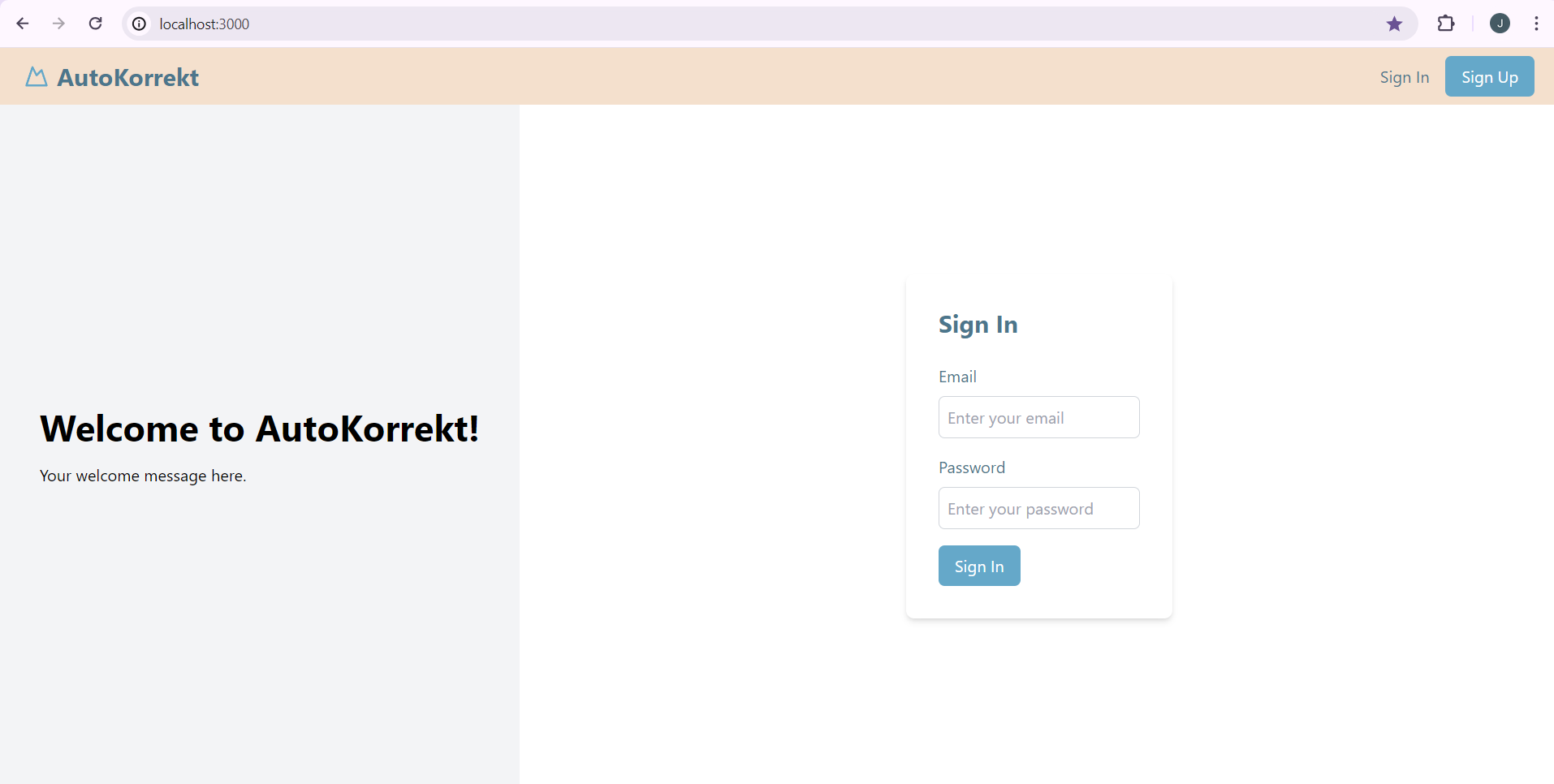
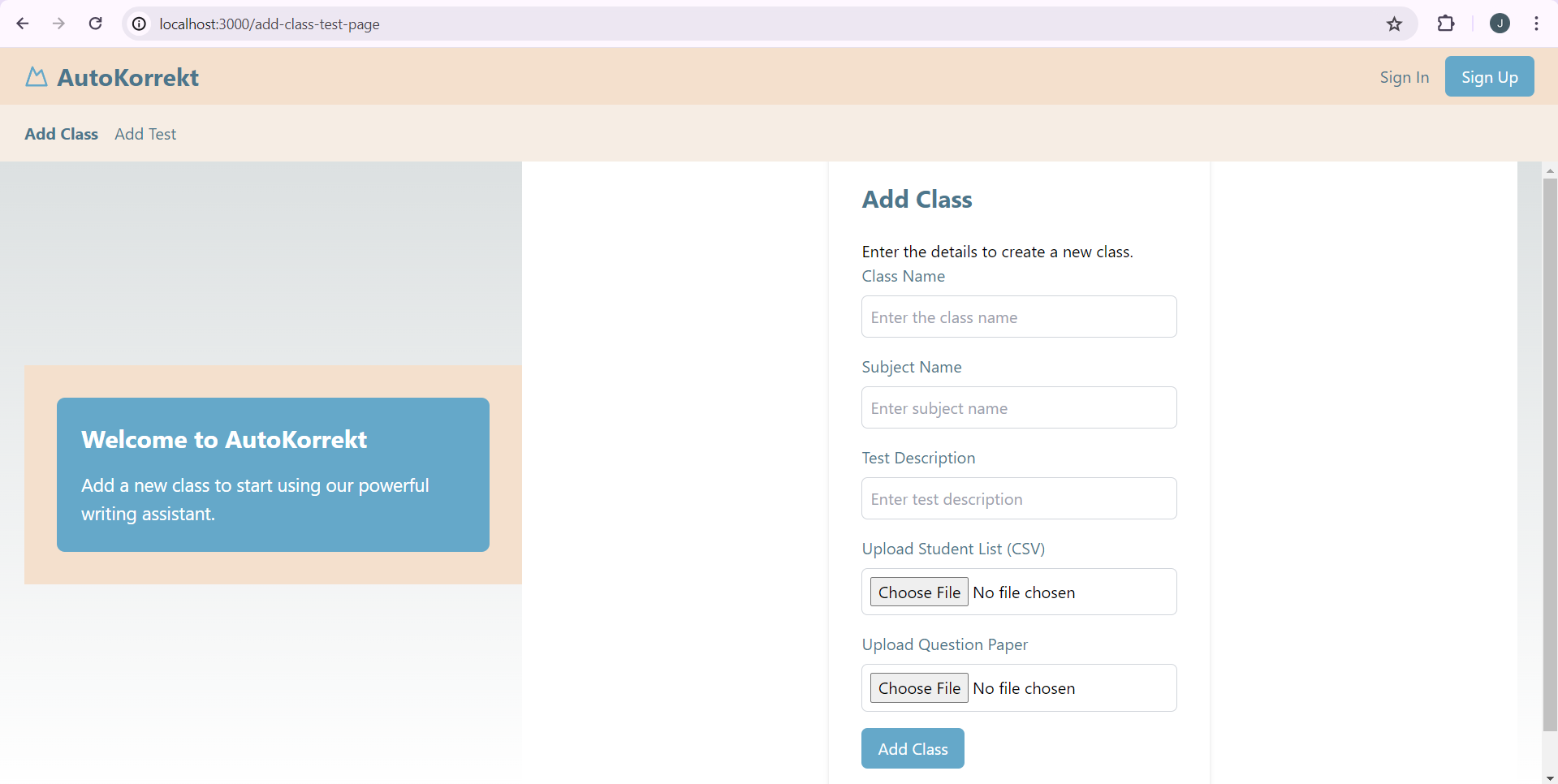
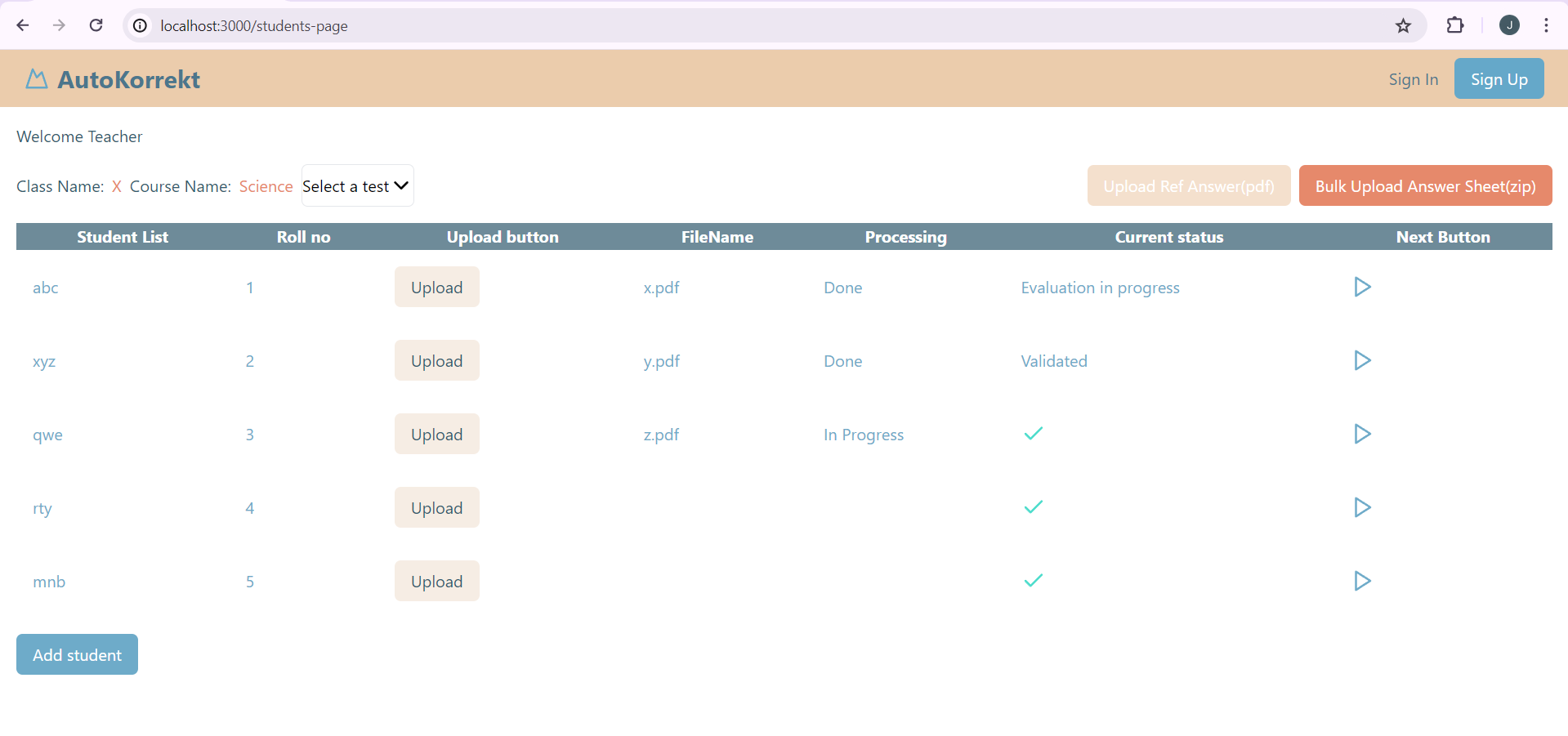
AutoKorrekt

AI Answer-Evaluation Platform for Teachers

May 2023 – Jan 2024 · Lead Frontend Developer · EdTech startup MVP

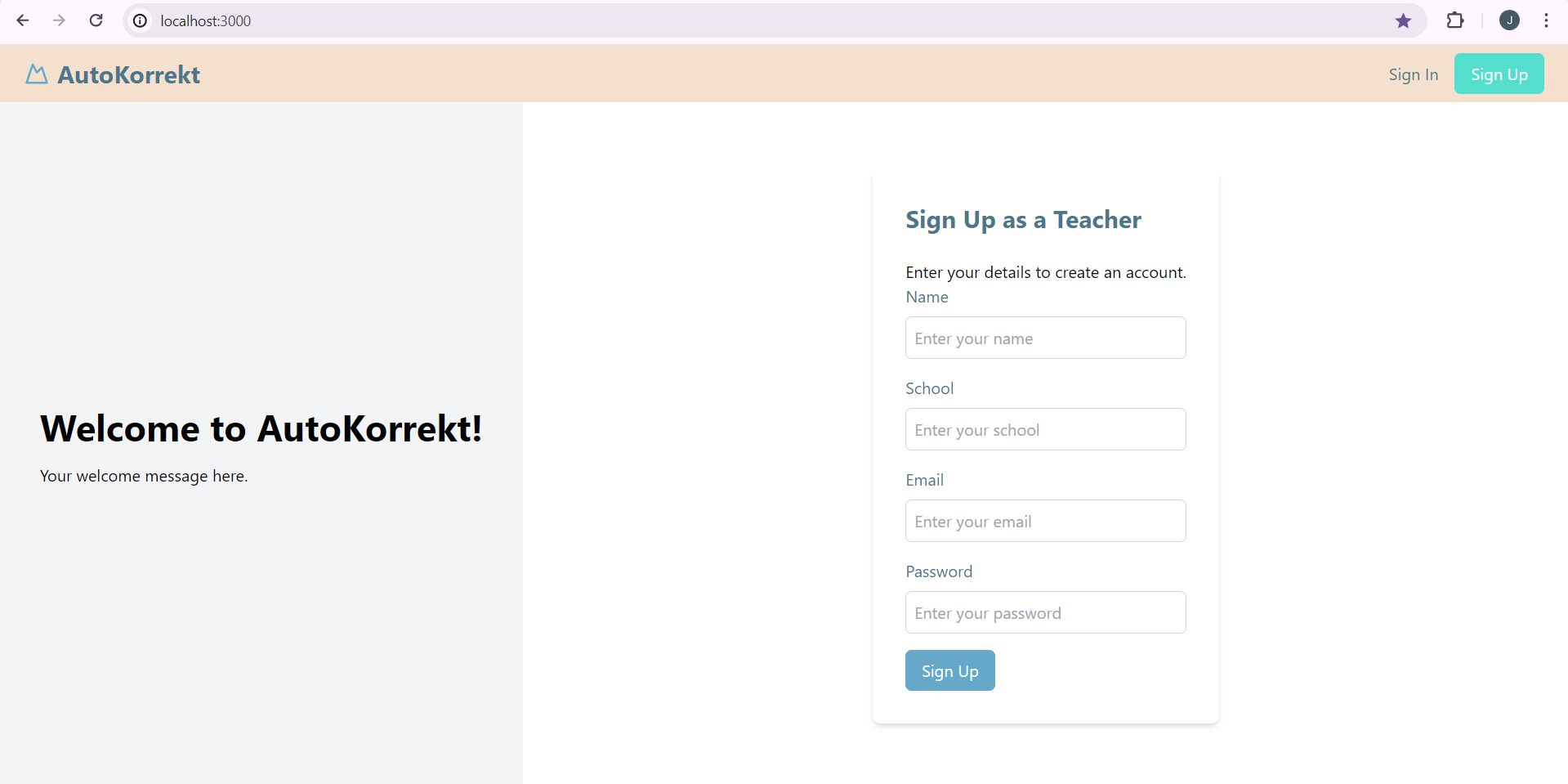
An evaluation platform that takes a teacher from sign-up to graded scripts: create a class, upload a student roster and question paper, bulk-upload scanned answer sheets, then track each student through OCR, AI evaluation and validation. I led the frontend and designed the ML data flow across S3, RDS and SageMaker — interactive PDF processing with coordinate-based text extraction over AWS Textract, a bilingual EN/DE feedback interface on Amazon Comprehend, and a per-student status pipeline that scaled to 1,000+ concurrent submissions.

ReactNext.jsTypeScriptAWS TextractAmazon ComprehendSageMakerDjango

Smart Money Tracker

🏆 OpenServ × Hack2skill

Multi-Agent Blockchain Analytics

2024 · Winner — Best DeFi Application

Multi-agent whale tracking across Ethereum, BNB Smart Chain and Polygon using the OpenServ SDK, with Alchemy webhooks driving sub-second transaction monitoring. Confidence-scored detection of accumulation, distribution and coordinated movements, with automated exchange-wallet exclusion.

OpenServ SDKAlchemyMoralisCloud Runpgvector

SMT Chain Adapters

Mantle & BNB hackathon builds

2026 · Hackathon adapters

Thin per-chain adapters that import the SMT brain and expose it to a specific ecosystem — keeping one shared decision engine behind platform-specific front ends rather than forking the strategy code.

MantleBNB ChainPython
Seeking grants & partners

Asha Chatbot

JobsForHer Foundation

2025 · Hackathon project

A context-aware chatbot surfacing job listings, community events and mentorship programmes, and handling FAQs — built to support women returning to and advancing in the workforce.

Conversational AINLPPython

MedTestAI

Test Cases for Healthcare Software

Sep – Nov 2025 · Gen AI Exchange Hackathon 2025

Generates structured test cases for regulated healthcare software from a requirements document, with Gemini 2.0 Flash. Each case carries steps, expected results, priority, risk and the compliance control it covers, across 8 frameworks (HIPAA, FDA 21 CFR Part 11, GDPR, ISO 13485 and others), with CSV, JSON and Excel export. Node on Cloud Run with rate limits; CI deploys through Workload Identity Federation, so no long-lived key sits in GitHub. Generated-test quality was not measured.

GeminiTest generationHealthcare complianceNode.jsCloud RunWorkload Identity Federation

WebContentQnA

Ask questions about any page

2025 · Personal project

Paste a set of URLs and ask questions about their contents; the app retrieves and answers from page text using a DistilBERT question-answering model.

DistilBERTQuestion AnsweringTransformers

Automotive Surveillance System

Capstone — Computer Vision

Dec 2024 – Jan 2025 · Great Learning

Car make/model/year classification from the 196-class, 16,185-image Stanford Cars set. Compute limits meant training on a 16-class subset, where a fine-tuned ResNet50 reached 69.2% validation accuracy; Fast R-CNN with a MobileNetV2 backbone reached 58% on detection. The main finding was overfitting: about 29 images per class is too few.

ResNet50Fast R-CNNTensorFlowOpenCV

MultiModel Botanical Classification

Plant species recognition

Jun – Jul 2024 · UT Austin McCombs

83.79% accuracy with a CNN for automated plant-species classification across 4,750+ seedling images, benchmarked against Random Forest and SVM baselines.

CNNTransfer LearningComputer Vision

Signal & SVHN Classification

Neural networks, two domains

Aug – Sep 2024 · UT Austin McCombs

Dense neural networks with batch normalisation and dropout on two problems: SVHN street-number digits, 87.1% test accuracy on 18,000 images, and signal-quality prediction from 11 parameters, about 65% at best, a harder ordinal target with few examples at the extremes.

Deep LearningKerasRegularisation

Customer Churn Prediction

Telecom retention

Oct – Nov 2024 · UT Austin McCombs

Decision Tree, Random Forest, AdaBoost and Gradient Boosting, each tuned with grid search, to flag telecom customers likely to cancel. Random Forest won at 81.48% test accuracy. For a retention budget, recall on churners and lift over random targeting are the numbers that matter, and the write-up says so.

Ensemble Methodsscikit-learnBusiness Strategy

Semiconductor Yield Prediction

591 sensor signals

Sep – Oct 2024 · UT Austin McCombs

Pass/fail yield prediction from manufacturing sensor data, using feature selection and SMOTE to cut 591 signals down to the ones that actually carry information about defects.

Feature SelectionSMOTEQuality Control

YouTube AdView Analytics

Ad-revenue prediction

Jul – Aug 2024 · Internship Studio

Random Forest regression predicting advertisement views from engagement metrics across 15,000+ videos, packaged for integration with business dashboards.

Random ForestpandasPredictive Analytics

NBFC Loan Default Prediction

Credit risk

Feb 2025 · Great Learning Hackathon

A classification model predicting whether a client will default on loan repayment, built against a non-banking financial company dataset under hackathon time constraints.

ClassificationRisk Modelling

Automobile Analysis & Classification

K-Means + PCA-enhanced SVM

Apr – May 2024 · UT Austin McCombs

K-Means segmentation of 398 cars on 8 attributes (MPG, displacement, horsepower, weight and more; silhouette 0.59 at k = 3), and an SVM on 846 vehicle silhouettes with 18 geometric features, with and without PCA (best test accuracy 0.96).

K-MeansPCASVM

Stock Market Sentiment Analysis

Financial news NLP

Nov – Dec 2024 · UT Austin McCombs

An ensemble sentiment classifier over financial news using Word2Vec, GloVe and SBERT embeddings, with weekly market summaries generated by a Mistral-7B LLM.

NLPSBERTMistral-7BTransformers

New-Wheels Performance Analytics

SQL business intelligence

Jul – Aug 2024 · UT Austin McCombs

Customer behaviour and sales analysis for a vehicle-resale business covering 994 customers and $1.25B revenue, with a KPI tracking system identifying key markets.

SQLBusiness IntelligenceKPI Design

Business Analytics Portfolio

Pricing + HR attrition

May – Jun 2024 · UT Austin McCombs

Two supervised-learning studies: used-car price regression for Cars4U, with feature engineering taking R² from 0.65 to 0.87, and employee-attrition classification on a healthcare HR dataset, 84% test accuracy at baseline and 97% tuned.

RegressionHR Analyticsscikit-learn

E-commerce Price Analysis

Scraper to dashboard data

2024 – 2025 · Personal project

A product-listing scraper with rate limiting, validation and resumable checkpoints, a price analyser, and CSV/SQL exports for a Tableau dashboard, designed first on generated sample data.

Web scrapingData pipelineSQLTableauPython

Applied Statistics & Hypothesis Testing

Statistical foundations

May – Jun 2024 · UT Austin McCombs

Binomial models for quality control at a given 5% defect rate, Poisson models for weekly car sales, and hypothesis tests on purchase and sports-team data.

Hypothesis TestingSciPyProbability

Yatra Test Automation Framework

Hybrid Selenium framework

2024 · Personal project

A hybrid data-driven Selenium framework with Page Object Model structure, external test data, cross-browser runs on Edge/Chrome/Firefox, HTML reporting and failure screenshots — wired into Jenkins.

SeleniumPyTestPOMJenkins
Claude CodeAI-Native CI/CDPythonGoogle ADKMCPVertex AIGeminiImagen BigQueryAlloyDBpgvectorCloud RunCloudflare WorkersOracle CloudGoogle AI Studio NVIDIA cuDFRAPIDSCUDAThree.jsPub/Sub TensorFlowPyTorchscikit-learnOptunaCatBoost FastAPIStreamlitReactTypeScriptDockersystemdSQL Claude CodeAI-Native CI/CDPythonGoogle ADKMCPVertex AIGeminiImagen BigQueryAlloyDBpgvectorCloud RunCloudflare WorkersOracle CloudGoogle AI Studio NVIDIA cuDFRAPIDSCUDAThree.jsPub/Sub TensorFlowPyTorchscikit-learnOptunaCatBoost FastAPIStreamlitReactTypeScriptDockersystemdSQL
About

From breaking systems
to architecting them.

I spent four years at Deloitte leading a QA automation team — finding the ways enterprise systems fail before customers did. That work taught me something most ML curricula skip: a model that cannot tell you when it is wrong is not finished.

So when I moved into AI, I built the way I used to test. My flagship system refuses to trade on a data feed it cannot verify, logs a plain-English reason for every decision, and gates every weekly model update behind statistical checks built to catch overfitting. When I graded its six AI agents on independent data, all six called direction at a coin flip, so I rebuilt it: written rules with replayed records open trades, and the agents became advisors graded on every call.

The way I work has changed too. I don't hand-type an 88,000-line platform. I specify it, then direct AI coding agents to implement it. Claude Code in a terminal is my build environment: it generates targeted hotfixes and structures the pull requests, and nothing merges until I have audited the diff myself. The speed-up is real and so is the gate. I am the only one standing between a generated patch and a system trading live.

That makes operations the other half of the job. The platform runs 24/7 as a daemon on an Oracle Cloud free-tier VM (I moved it off GCP in two days when the billing account closed), and I read its logs the way I used to read defect reports, triaging execution errors and catching systemic drift before it costs anything. The no-silent-fallback rule I designed in has already surfaced four multi-week data-integrity bugs.

I completed my PGP in AI/ML at UT Austin McCombs & Great Lakes at Rank 1, then Google Cloud's Gen AI Academy, covering Vertex AI, Gemini, ADK, MCP and AlloyDB. All of it is architected and operated from a single 16 GB laptop; when it needed to go faster, a cuDF/RAPIDS rewrite cut the validation pipeline ~6× on an NVIDIA T4. I built the whole portfolio while a full-time family carer. Today I'm looking for teams building agentic systems that have to survive contact with the real world.

⚙️
Provisional patent filed

India, App. No. 202631090789 — the SMT multi-agent decision architecture.

📈
WEEX AI Wars I — #1 preliminary leaderboard

Top of 230+ teams, then one of 37 finalists in the $880K live AI trading competition. Coverage

🏆
Winner — Best DeFi Application

OpenServ × Hack2skill. Runner-up for Best Website Application.

☁️
Top 101 of 1,500+ teams

Google Cloud Gen AI Academy APAC 2026, Cohort 1 hackathon, with SmartDesk — advanced to prototype refinement.

🥇
Rank 1 in batch

PGP in AI/ML, UT Austin McCombs & Great Lakes — GPA 4.09.

📜
12 credentials, all verifiable

Google Cloud Gen AI Academy (2025 & APAC 2026 Cohorts 1–3) · Gen AI Exchange · Agentic AI Day · Asha AI Hackathon · CPSAT. See them all

Experience

Where I've worked.

Founder & sole engineer

JTech Solutions (pre-incorporation) · Smart Money Trading (SMT) · patent pending
Jan 2025 – Present

Building SMT, an AI trading agent that has to prove why it traded, and SMT World, the product exchanges give their users on top of it. 88,000 lines of Python, 3,152 tests, 362 merged pull requests and 673 measured findings, written by AI coding agents I direct, with me as the only review before anything merges. Graded my own six AI agents on independent data, found all six at a coin flip, and rebuilt the system so written rules open trades and the agents are graded advisors. Tested 1,800 strategy variants (36 million simulated trades) at six exchanges’ fees. Audited 98 AI-written merges and found an order bug that had rejected 1,137 live orders over three months while every test passed. It places real orders 24/7 on WEEX’s simulated account from an Oracle Cloud free-tier VM, moved off GCP in two days. Began at the OpenServ × Hack2skill hackathon, where the predecessor build won Best DeFi Application; later #1 on the WEEX AI Wars I preliminary leaderboard of 230+ teams. All while a full-time family carer.

Lead Frontend Developer

AutoKorrekt — EdTech startup MVP
May 2023 – Jan 2024

Interactive PDF processing with coordinate-based text extraction, integrating AWS Textract OCR and Mistral models into an AI answer-evaluation workflow. Bilingual EN/DE interface scaling to 1,000+ concurrent submissions.

Machine Learning Intern

Internship Studio
Jul 2024 – Aug 2024

Random Forest model predicting YouTube ad views across a 15,000+ video dataset, packaged for integration with business dashboards.

Test Automation Engineer (Analyst)

Deloitte Consulting LLP — Bangalore
Aug 2019 – Jan 2023

Led a 6-member QA team for Fortune 500 clients including AT&T and Hewlett Packard Enterprise. Improved test execution efficiency 83%, tracked quality across 343 components, and analysed 50,000+ SAP Hybris transactions in Python.

QA Automation Intern

Deloitte Consulting LLP · Bangalore
Jan 2019 – Jul 2019

Functional testing of the North Dakota State Government Health and Human Services website, plus POEDI XML script testing. Ran environment testing loops, tracked the active regression suites, and managed system errors in Jira. Converted to the analyst role above after six months.

Credentials

Every certificate, verifiable.

Badge profiles first — they are confirmable by a third party and stay current. The certificate files are linked underneath for anything the profiles don't cover.

🎓

Post Graduate Program in AI & Machine Learning

Texas McCombs School of Business & Great Lakes · Mar 2025

GPA 4.09 · Rank 1 in batch

☁️

Gen AI Academy — Completion

Google Cloud & Hack2skill · 28 May 2025

Vertex AI · Gemini APIs · Imagen · Streamlit · Multimodal RAG

☁️

Gen AI Academy APAC 2026 — Cohort 3, Completion

Google Cloud & Hack2skill · Sep 2026

Agentic AI on Google Cloud — the cohort Wiretrap was built in

☁️

Gen AI Academy APAC 2026 — Cohort 2, Completion

Google Cloud & Hack2skill · 31 Jul 2026

Data, analytics and intelligent systems on Google Cloud

☁️

Gen AI Academy APAC 2026 — Cohort 1, Completion

Google Cloud & Hack2skill · 28 Apr 2026

Building, connecting and migrating AI-powered applications

☁️

Gen AI Academy APAC 2026 — Cohort 1 Hackathon

Google Cloud & Hack2skill · 19 May 2026

Shortlisted top 101 of 1,500+ teams

☁️

Gen AI Exchange Hackathon 2025

Google Cloud & Hack2skill · 14 Jan 2026

Problem statement — “Automating Test Case Generation with AI”

☁️

Agentic AI Day

Google Cloud & Hack2skill · 2025

Build the next generation of intelligent agents

🏆

Asha AI Hackathon 2025

JobsForHer Foundation & Hack2skill · 2025

The hackathon behind the Asha Chatbot project

📜

Machine Learning Internship

Internship Studio · Jul – Aug 2024

YouTube ad-view analytics

📜

AI-Preneur Workshop

AI-Preneur · Mar 2025

Freelancing with AI — business applications

📜

CPSAT — Certified Professional Selenium Automation Testing

CPSAT · 2022

Backing & collaboration

Actively seeking grants and partners.

SMT is patent-pending, running live 24/7, and looking for its first backer. If you fund early-stage AI, run a grant programme, or want to build on it — leave your details and I'll come back to you.

Fund, partner, or just say hello.

I'm looking for grants and early-stage funding for Smart Money Trading, and I'm open to collaboration on any of the projects here. Tell me who you are and I'll follow up personally.

For grants and funding specifically, Telegram, Discord or [email protected] reach me fastest.

[email protected]TelegramWhatsApp

Let's build something
that actually ships.

Open to applied AI engineering, agent evaluation and agent security roles, remote. The inbox is always open.